 listicle
Save Money on Bulk Pet Food Orders: 7 Smart Strategies
Table of Contents
- Calculate the Real Cost Per Pound of Pet Food
- Buy Pet Food in Bulk at the Right Time
- Use Pet Food Coupons and Discounts Strategically
- Choose Store Brands and Generic Options
- Store Bulk Pet Food Properly to Prevent Waste
- How Long Does Dry Pet Food Last Once Opened
- When Bulk Buying Doesn't Save Money
- Frequently Asked Questions
Last Updated: October 6, 2026
Calculate the Real Cost Per Pound of Pet Food
Bulk pet food orders look cheaper until you do the math. A 20-kilogram bag priced at $89.99 sounds like a bargain compared to smaller bags at $12.99 each. But cost per pound tells the real story.
Divide the total price by the weight in pounds. That 20-kilogram bag (44 pounds) costs $2.05 per pound. Five smaller bags at $12.99 each might actually cost $1.17 per pound. The bulk option just cost you nearly twice as much.
This is where many pet parents go wrong. They assume bigger quantities automatically mean better value. They don't account for quality differences, ingredient changes between brands, or whether your pet will actually finish the food before it spoils.
At Bentley's Bark, we recommend calculating cost per serving, not just cost per pound. If your dog eats two cups daily and a 20-kilogram bag lasts 60 days, that's 120 cups total. Divide the price by 120. Now you know the true daily feeding cost. This method works for any bulk pet food orders, whether you're buying dry food, wet food, or treats.
Create a simple spreadsheet. List the product, total price, total weight, and calculate the per-pound cost. Compare across retailers and brands. You'll spot the real savings immediately. Most people skip this step and wonder why their bulk purchases don't save money.
| Calculation | Formula | Example |
|---|---|---|
| Cost per pound | Total price ÷ weight in pounds | $89.99 ÷ 44 lbs = $2.05/lb |
| Cost per serving | Total price ÷ total servings | $89.99 ÷ 120 servings = $0.75/serving |
| Monthly savings | (Regular price × 12) − (Bulk price × 12) | Regular $155/month vs. Bulk $120/month = $420/year |
Buy Pet Food in Bulk at the Right Time
Timing matters more than most people realize when ordering bulk pet food.
Track prices for the brands you use. Note when sales happen. Many retailers repeat promotions at similar times each year. If your dog's favorite food goes on sale every September, plan your bulk purchases around that cycle.
Watch for seasonal sales and promotions
Set price alerts on retailer websites. Many allow you to track specific products and notify you when prices drop. This passive approach catches sales you might otherwise miss.
Set up auto-delivery subscriptions
Test the service with a single delivery first. Make sure the timing works and the product arrives in good condition. Then commit to a longer subscription if it fits your routine.
Use Pet Food Coupons and Discounts Strategically
Coupons are everywhere, but most people use them wrong. They clip coupons for products they were already buying, missing the real savings opportunity. Strategic coupon use means finding discounts on items you planned to purchase anyway, not buying things just because they're on sale.
Choose Store Brands and Generic Options
Bentley's Bark offers handcrafted training treats made in Canada that compete on quality and value. Our Wild Pacific Salmon Training Treats 680g and Canadian Beef Liver Training Treats 680g are both priced at $48.99 for bulk quantities. These soft, gluten-free treats work for dogs of any age and are also suitable for cats. They're handcrafted in small batches, which means quality control matters more than mass production.
Store Bulk Pet Food Properly to Prevent Waste
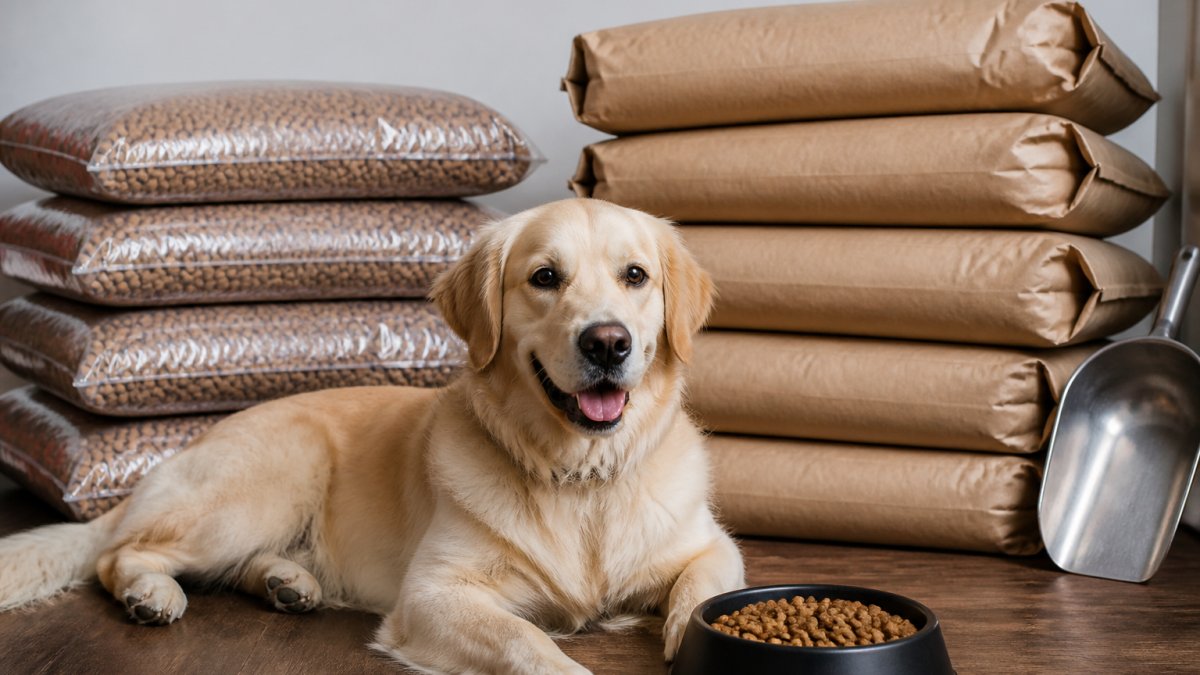
Improper storage destroys the value of bulk pet food orders. Food that spoils or becomes infested with pests is wasted money. Proper storage extends shelf life and keeps food safe for your pet.
Airtight containers are essential. Transfer dry food from original bags into sealed plastic or glass containers. This prevents moisture and pest access. Label containers with the product name, purchase date, and expiration date.
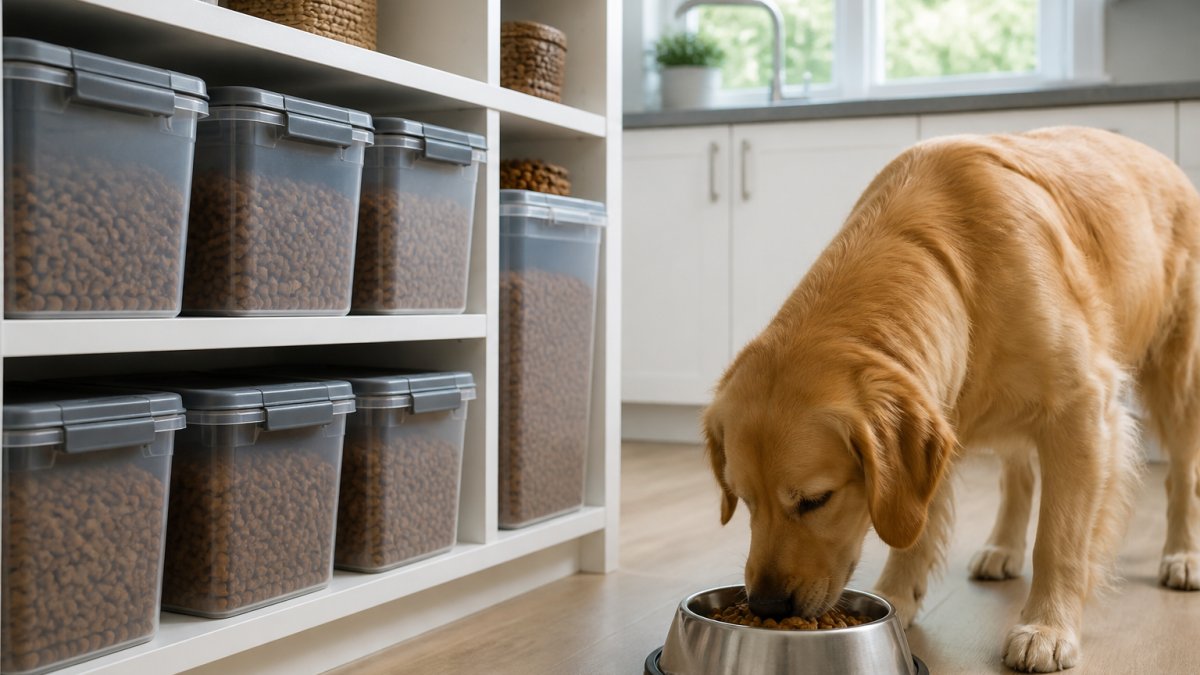
Keep containers in cool, dry locations. Heat and humidity accelerate food degradation. A pantry or basement works better than above the stove or near a window. Avoid damp areas like basements prone to moisture.
Rotate stock using the "first in, first out" method. Use older food before newer purchases. This prevents old food from sitting too long and ensures your pet gets fresh food consistently.
Check stored food regularly. Look for signs of moisture, mold, or insect activity. Smell the food before serving. If anything seems off, discard it. The cost of replacing spoiled food quickly erases the savings from bulk purchasing.
Wet food and treats require different storage. Opened cans should be refrigerated and used within 2-3 days. Our Dried Sardines 150g - Case of 10 should be stored in airtight containers away from moisture. These naturally preserved treats last longer than fresh options, making them ideal for bulk orders.
Wild Pacific Salmon Training Treats 680g →
How Long Does Dry Pet Food Last Once Opened
Opened dry food stays fresh for 4-6 weeks if stored properly. The clock starts when you first open the bag, not when you purchased it. Temperature, humidity, and air exposure all affect this timeline.
Unopened bags last 12-18 months from the manufacturing date, assuming proper storage. Check the date on the package before buying bulk pet food orders. Older stock means less time before the food expires after opening.
Wet food opens a different clock. Once opened, canned pet food lasts 2-3 days in the refrigerator. Pouches last slightly longer, usually 3-4 days. Discard any wet food left in the dish after 2 hours at room temperature.
Treats like our Salmon Skin Strips 85g - Case of 10 last longer because they're naturally preserved without additives. These 100% Canadian salmon treats maintain quality for extended periods in airtight containers, making bulk orders practical for long-term storage.
When Bulk Buying Doesn't Save Money
Bulk pet food orders don't always deliver savings. Several situations make bulk purchasing a poor choice.
If your pet has a sensitive stomach, buying large quantities of a new food is risky. Digestive upset might force you to switch foods, wasting the bulk purchase. Start with regular-sized bags to test compatibility. Only move to bulk orders once you confirm your pet tolerates the food well.
When you have multiple pets with different dietary needs, bulk buying gets complicated. A bulk order of dog food doesn't help if you also have a cat requiring specialized nutrition. Mixing different foods in storage increases contamination risk. Separate bulk orders for each pet reduce the savings advantage.
Small pets and single-pet households sometimes find that bulk orders expire before use. A 20-kilogram bag of food for a small dog might last 6 months. If the food degrades after 4-6 weeks of opening, you're throwing away half the bag. Calculate whether your pet will consume the food within the safe window.
Frequent diet changes also eliminate bulk savings. If your pet has food sensitivities or requires rotating proteins, buying bulk quantities of one food defeats the purpose. You'll end up with unused food and wasted money.
Moving or travel plans complicate bulk storage. If you're relocating soon, storing large quantities of pet food adds moving costs and hassle. Wait until you're settled before committing to bulk pet food orders.
New pets are another exception. You don't yet know their food preferences or dietary needs. Adopt first, establish their diet, then consider bulk purchases once their long-term food choice is clear.
Saving money on bulk pet food orders requires strategy, not just buying larger bags. Calculate the real cost per pound, time purchases around seasonal sales, and stack discounts where possible. Store food properly to prevent waste.
At Bentley's Bark, we believe quality matters in pet nutrition. Our handcrafted treats and natural products are designed to keep your pets healthy and happy. We offer complimentary shipping on every order, including bulk purchases of our Dried Sardines 40g - Case of 18 and other bulk treats. Start with a smaller order to test our products, then scale up to bulk quantities once you know your pet loves them. Quality pet nutrition doesn't have to break your budget when you shop strategically.
Frequently Asked Questions
Is it cheaper to buy pet food in bulk?
Bulk pet food orders often cost less per pound than smaller packages, but only if you calculate the unit price correctly and your pet will consume the food before it expires. Compare the cost per pound across package sizes, a larger bag may have a lower per-unit price, but factor in storage space, freshness, and whether your household will actually use it within the shelf life. For treats like our 680g training treats at $48.99, buying bulk makes sense if you use them regularly for training sessions.
How do I compare pet food prices by unit to find the best deal?
Divide the total price by the total weight in grams to get the cost per gram, then multiply by 1000 to find the cost per kilogram. For example, a 680g bag at $48.99 costs about $72 per kilogram. Compare this figure across different brands and package sizes to identify the true best value. Don't assume the largest bag is always cheapest, sometimes mid-size options offer better pricing when you factor in freshness and storage constraints.
How should I store bulk pet food to keep it fresh?
Transfer dry pet food to airtight containers immediately after opening, and label them with the purchase date and expiration date. Store containers in a cool, dry place away from direct sunlight and moisture. Keep the original bag or box for reference on feeding instructions and ingredients. Proper storage prevents spoilage, mold, and pest contamination, which protects your investment and your pet's health. For treats like our dried sardines or salmon skin strips, store in airtight containers away from heat and humidity.
How long does dry pet food last once opened?
Dry pet food stays fresh if stored properly in an airtight container. Check the manufacturer's expiration date and follow their storage guidelines. Signs of spoilage include off odors, visible mold, or discoloration. Always prioritize freshness over stretching your bulk purchase; stale or spoiled food can upset your pet's stomach and waste money.