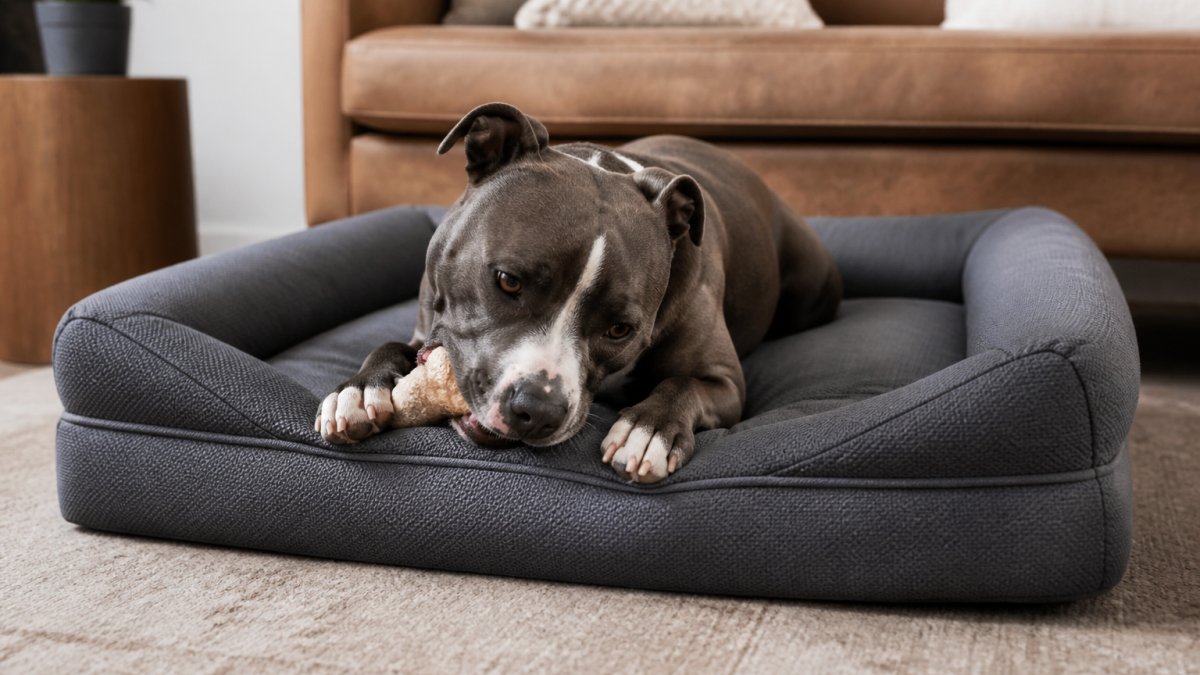
 listicle
Durable Dog Beds for Heavy Chewers: A 2026 Buyer's Guide
Table of Contents
- What Makes a Dog Bed Chew-Proof
- Chew-Proof Dog Bed Materials That Actually Hold Up
- Elevated vs. Floor-Style Dog Beds for Aggressive Chewers
- How to Stop a Dog From Chewing Their Bed
- Choosing the Right Size for Your Dog
- Durable Dog Bed Warranty Comparison and Replacement Policies
- Safety Considerations for Dogs With Destructive Chewing
- Cleaning and Maintenance to Extend Bed Life
- Frequently Asked Questions
Last Updated: September 29, 2026
What Makes a Dog Bed Chew-Proof
A chew-proof dog bed combines reinforced materials, industrial-strength construction, and strategic design to resist damage from aggressive chewers.
Standard pet beds use lightweight fabrics that tear easily, while chew-proof beds use ballistic nylon, ripstop fabric, or reinforced canvas with high denier ratings (measuring fabric weight and durability) to withstand repeated puncturing and tearing.
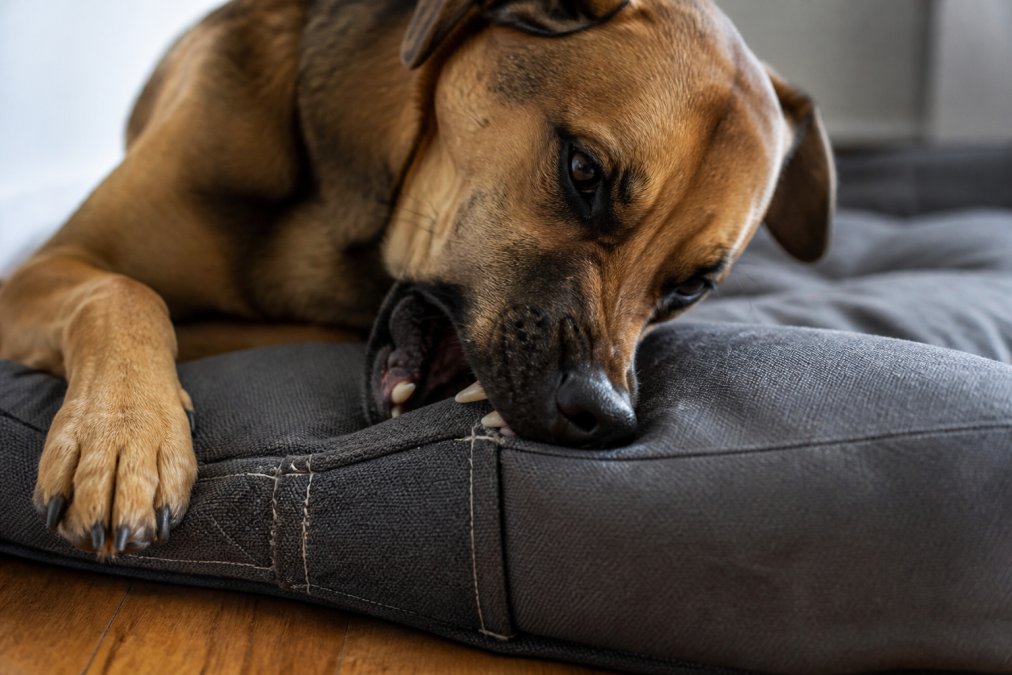
Seam construction is equally critical. Durable dog beds for heavy chewers use double or triple stitching with reinforced corner patches where dogs naturally focus chewing energy. Elevated cot-style beds reduce ground contact, while floor-style beds require extra protection along bottom edges.
A truly chew-proof bed combines non-toxic materials, smooth surfaces that don't snag teeth, and removable, washable covers, creating a bed that survives years of aggressive chewing.
Chew-Proof Dog Bed Materials That Actually Hold Up
Not all durable materials perform equally under chewing pressure. The best chew-proof dog beds use specific fabric types engineered to resist puncture and tear damage.
Ballistic Nylon and Ripstop Fabric
Ballistic nylon, originally developed for military equipment, is the gold standard for aggressive chewer beds. Its tight weave resists puncturing and tearing far better than cotton or standard polyester by making it difficult for teeth to catch and pull threads.
Ripstop fabric uses a reinforced grid pattern that stops tears from spreading, making it effective against the lateral tearing motion dogs use. Many high-quality durable dog beds for heavy chewers combine ballistic nylon as the outer layer with ripstop reinforcement underneath.
Both materials require proper stitching to reach their full potential, a ballistic nylon bed with single-stitched seams will fail faster than a canvas bed with triple stitching.
Canvas and Terylene
Heavy-weight canvas (14-16 ounces per square yard) offers good tear resistance and a texture dogs find less appealing to chew. It breathes better than nylon, benefiting dogs in warmer climates or prone to overheating.
Terylene (polyester) resists fading better than canvas, making it suitable for beds in direct sunlight, though it's less puncture-resistant than ballistic nylon.
Canvas and terylene require more frequent washing and develop odors faster than synthetics, and are heavier if you move the bed regularly.
Poly-Resin and Reinforced Seams
Poly-resin frames provide structural support that prevents sagging, which creates stress points where fabric tears. Reinforced seams around corners and fabric-to-frame attachments are essential for aggressive chewers.
Look for beds with double or triple stitching, reinforced corner patches, welded seams, and heavy-duty closures. Fabrics with 1000+ denier ratings offer significantly better chew resistance. At Bentley's Bark, we've curated a selection of chew toys and accessories that complement durable beds, like our Cotton Rope Dog Toy with Rubber Ball for Tough Chewers at $19.95.
Elevated vs. Floor-Style Dog Beds for Aggressive Chewers
The bed's design, elevated or floor-based, significantly affects how well it withstands chewing and digging behavior.
Elevated cot-style beds suspend the sleeping surface above ground, eliminating the most common chewing point and preventing digging. They improve airflow for cooling and odor control. However, larger dogs can still chew the fabric sides, so material quality remains critical.
Floor-style beds sit directly on the ground and require extra protection along all edges. They offer better insulation and feel more den-like for anxious dogs but are harder to clean and more prone to moisture. For heavy chewers, they need significantly more durable materials since every edge is vulnerable.
Most experts recommend elevated cot-style beds for aggressive chewers because the design reduces access to vulnerable areas. However, dogs with separation anxiety often prefer floor beds. Larger dogs benefit more from elevated beds for weight distribution.
How to Stop a Dog From Chewing Their Bed
A durable bed buys time, but addressing the underlying behavior is essential for long-term success.
Behavioral Modification and Redirection
Chewing serves multiple purposes: stress relief, boredom management, dental health, and anxiety reduction. A dog that chews their bed is communicating unmet needs. The most effective approach combines environmental changes with behavioral training.
Redirection is the foundation. When you catch your dog chewing the bed, interrupt calmly and offer an appropriate chew toy. Consistency matters, every instance needs redirection so dogs learn the bed isn't a valid target.
Cotton Rope Dog Toy with Rubber Ball →
Reward your dog heavily when they choose a toy over the bed. Treats, praise, and play sessions create stronger associations than punishment, which often increases anxiety and drives more chewing.
For anxiety-related chewing, use puzzle toys or long-lasting chews (like bully sticks or yak chews). Many dogs chew beds when bored or lonely, not because the bed is appealing, engaging alternatives often solve the problem faster than buying a tougher bed.
Environmental Management
Environmental changes prevent destructive chewing. Crate training or using a smaller, supervised space prevents the behavior from reinforcing itself, as dogs that practice chewing repeatedly develop stronger habits.
Ensure your dog gets adequate physical exercise. A tired dog is less likely to engage in destructive behavior. Most dogs need at least 30-60 minutes of exercise daily, depending on breed and age. Mental stimulation matters equally, puzzle toys, scent games, and training sessions tire dogs as effectively as walks.
Separation anxiety is a common driver of bed chewing. If your dog only chews when alone, gradual desensitization to your departure (leaving for short periods and returning) combined with calming aids (like pheromone diffusers or anxiety wraps) can reduce the behavior.
Choosing the Right Size for Your Dog
Bed size affects both comfort and durability. An undersized bed forces your dog to hang limbs over edges, creating stress points where chewing damage concentrates. An oversized bed wastes space and money without providing additional benefit.
Use these guidelines:
- Small dogs (under 15 kg): 60-75 cm length beds
- Medium dogs (15-30 kg): 75-100 cm length beds
- Large dogs (30-45 kg): 100-130 cm length beds
- Extra-large dogs (over 45 kg): 130+ cm length beds
Measure your dog while lying down in a relaxed position, then add 20-30 cm for comfort. A bed should allow your dog to stretch out fully without hanging off edges. For aggressive chewers, slightly oversizing is better than undersizing, extra fabric provides more material to damage before the bed becomes unusable.
Weight capacity matters too. A bed rated for 30 kg that holds a 40 kg dog will sag prematurely, creating stress points and accelerating wear. Check manufacturer specifications and choose a bed with a weight capacity at least 10 kg above your dog's current weight (accounting for potential future weight gain).
| Dog Size | Recommended Bed Length | Weight Capacity Buffer | Best Bed Style |
|---|---|---|---|
| Small (under 15 kg) | 60-75 cm | 20+ kg | Elevated or floor |
| Medium (15-30 kg) | 75-100 cm | 25+ kg | Elevated preferred |
| Large (30-45 kg) | 100-130 cm | 30+ kg | Elevated strongly recommended |
| Extra-large (45+ kg) | 130+ cm | 40+ kg | Elevated with reinforced frame |
Durable Dog Bed Warranty Comparison and Replacement Policies
A strong warranty indicates manufacturer confidence in durability. When comparing durable dog beds for heavy chewers, warranty terms reveal which brands stand behind their products.
Most quality manufacturers offer warranties ranging from 1-5 years. However, warranty coverage varies significantly. Some warranties cover manufacturing defects only (seam separation, frame breaks), while others include wear-and-tear damage from normal use. For aggressive chewers, you want a warranty that covers chewing damage or at least offers affordable replacement parts.
Look for these warranty features:
- Covers seam separation and frame defects for at least 3 years
- Offers replacement covers separately from the frame
- Provides pro-rata refunds if the bed fails prematurely
- Covers damage from normal chewing (not just manufacturing defects)
- Clear process for filing claims without requiring original packaging
Replacement policy matters as much as warranty length.
Safety Considerations for Dogs With Destructive Chewing
Aggressive chewing poses specific safety risks that go beyond bed damage.
Cleaning and Maintenance to Extend Bed Life
Proper maintenance extends bed life significantly and prevents odor and bacterial growth that can drive destructive chewing.
Frequently Asked Questions
What materials make dog beds truly chew-proof?
Ballistic nylon, ripstop fabric, and reinforced canvas with industrial stitching resist tearing from aggressive chewing. Beds with poly-resin frames and heavy-duty velcro closures add durability. Look for denier ratings above 500 and reinforced seams throughout. Many durable beds combine multiple materials, a nylon exterior with canvas interior, to create layers that aggressive chewers cannot easily penetrate.
How can I stop my dog from chewing their bed?
Redirect chewing energy to appropriate toys like the Rubber Molar Stick Chew Toy or Cotton Rope Dog Toy. Ensure your dog gets adequate exercise and mental stimulation daily, as boredom drives destructive behavior. Use positive reinforcement when your dog chews toys instead of the bed. For separation anxiety or stress-related chewing, consider crate training and gradual desensitization. If destructive behavior persists, consult a veterinary behaviorist.
What warranty should I expect on a durable dog bed?
Quality dog beds typically offer 1-2 year warranties covering manufacturing defects and seam failure. Some premium options provide replacement parts or repair services. Check whether the warranty covers chewing damage, most standard warranties do not. Compare policies carefully: some brands offer lifetime frames but limited fabric coverage, while others provide comprehensive protection. Always review the specific terms before purchase to understand what is and isn't covered.
Are elevated dog beds better for heavy chewers than floor beds?
Elevated cot-style beds offer advantages for aggressive chewers. The frame sits off the ground, reducing contact with the bed fabric and making it harder for dogs to grip and tear. However, elevated beds expose more of the fabric to direct access. Floor-style beds with reinforced bottoms and raised edges work better for dogs who chew from underneath. The best choice depends on your dog's specific chewing behavior and size.
What size dog bed do I need for a heavy chewer?
Measure your dog from nose to tail while lying down, then add 15-20 cm for comfort. Large and extra-large breeds need beds at least 100-120 cm long. Heavy chewers benefit from slightly oversized beds because they allow movement without touching edges where damage often starts. Consider your dog's sleeping position, side sleepers need more length, while curlers need width. A bed that's too small forces your dog into tight positions that increase frustration and chewing.