 listicle
Best Pet Hair Vacuums for Allergies 2026
Table of Contents
- What Makes a Vacuum Effective for Pet Hair and Allergies
- Quick Comparison Table
- 1. Pet Hair Remover Vacuum, All-in-One Grooming and Suction
- 2. Pet Hair Vacuum and Grooming Kit with Dog Clipper, Quiet Operation for Sensitive Pets
- HEPA Filter Vacuum Benefits for Long-Term Allergy Relief
- Vacuuming Frequency for Allergy Management
- Supporting Your Vacuum with Complementary Products
- Frequently Asked Questions
Last Updated: October 2, 2026
What Makes a Vacuum Effective for Pet Hair and Allergies
Pet hair vacuums for allergies need to do two things simultaneously: capture pet hair efficiently and contain allergens so they don't recirculate into your breathing space. Most vacuums handle one or the other. The best ones handle both.
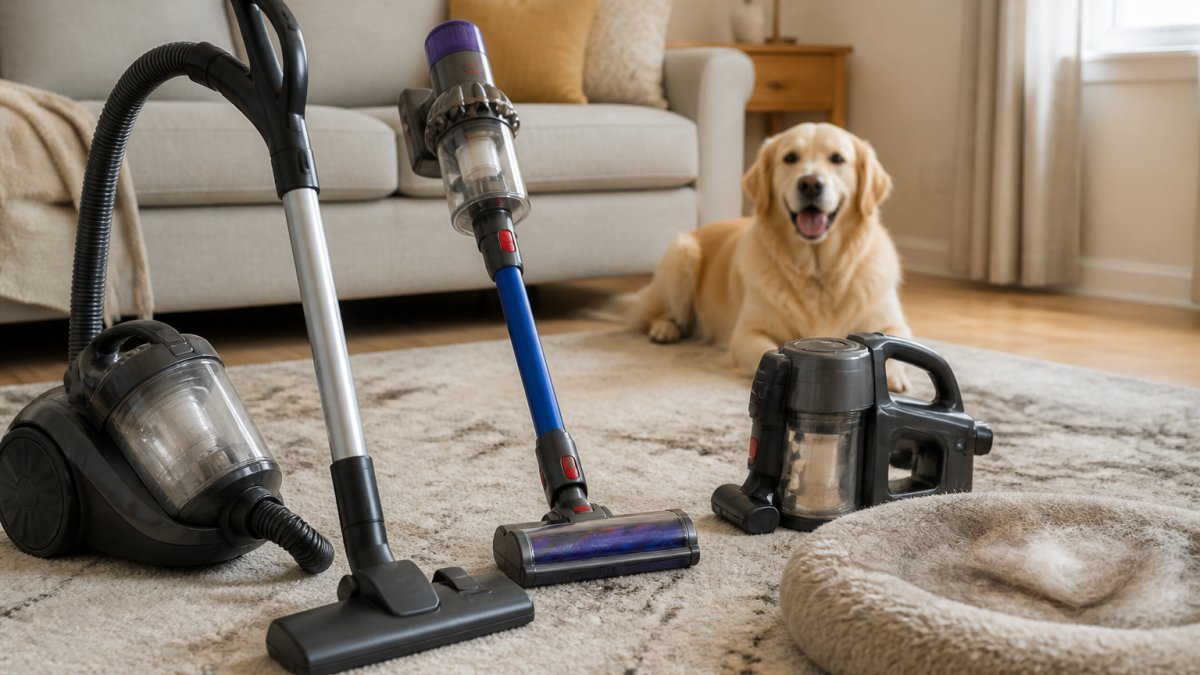
The difference between a standard vacuum and one designed for pet hair and allergies comes down to three core technologies: sealed systems with HEPA filtration, powerful suction paired with specialized brush-roll technology, and allergen containment that prevents dander and micro-particles from escaping back into the air.
Sealed Systems and HEPA Filtration
A sealed system means air flows through the filter and out, not around it. Without a sealed design, allergens bypass the filter entirely, defeating the purpose of having one. HEPA filtration captures particles as small as 0.3 microns, which includes pet dander, dust mites, and pollen.
Sealed HEPA systems genuinely reduce contact with allergens when used consistently. The key word is "sealed", if air can leak past the filter, you're not getting the benefit. When evaluating pet hair vacuums for allergies, verify that the manufacturer explicitly states the system is sealed and that the HEPA filter cannot be bypassed.
Suction Power and Brush-Roll Technology
Suction power matters less than people think. What matters more is how the suction is directed. A brush-roll that agitates carpet fibers and loosens pet hair, combined with moderate suction, outperforms high suction with a poor brush design.
Anti-tangle brush-roll technology prevents hair from wrapping around the brush, which clogs the system and reduces airflow efficiency. This is critical for households with shedding pets. Cordless vacuums often sacrifice suction power, but modern models compensate with better brush-roll engineering. For hardwood floors, you need a vacuum that can switch off the brush-roll to avoid scattering debris.
Allergen Containment and Dander Control
Allergen containment happens at the bin. A sealed, easy-to-empty bin prevents dust clouds when you dispose of collected hair and dander. Some vacuums require you to touch the filter to clean it, which releases trapped allergens back into the air. Look for models with sealed filter cartridges that don't require manual cleaning.
Pet dander is smaller and stickier than regular household dust. It clings to surfaces and recirculates easily if the vacuum isn't designed to trap it. A sealed HEPA filter combined with a sealed bin makes the difference between reducing allergens and just moving them around your home.
Quick Comparison Table
| Product | Price | Key Feature | Best For |
|---|---|---|---|
| Pet Hair Remover Vacuum | $379.95 | All-in-one grooming and suction | Efficient daily hair removal |
| Pet Hair Vacuum and Grooming Kit with Dog Clipper | $419.95 | Quiet operation with grooming tools | Sensitive pets and home grooming |
| Allerpet Dog Dander Remover | $99.95 | Dander reduction with weekly use | Long-term allergen management |
| Davis De-Shed Pet Rinse | $69.95 | Loosens undercoat during bathing | Pre-vacuum shedding control |
1. Pet Hair Remover Vacuum, All-in-One Grooming and Suction
The Pet Hair Remover Vacuum combines two functions into one device: it vacuums pet hair while grooming your dog simultaneously. This dual approach reduces shedding before hair hits your floors, which means less frequent vacuuming overall.
Built from durable ABS plastic and weighing 2.9 kg, it's portable enough to move between rooms without strain.
What works: The grooming function captures loose hair directly from your pet's coat, reducing the amount that ends up on furniture and floors. This is particularly effective for double-coated breeds that shed heavily. The all-in-one design means you're not juggling separate grooming and cleaning tools.
What to consider: This is a grooming-first device with vacuuming as a secondary function, not a replacement for a dedicated household vacuum. Use it as a preventative tool to reduce shedding, then follow up with a full-home vacuum for comprehensive allergen control.
Price: $379.95
2. Pet Hair Vacuum and Grooming Kit with Dog Clipper, Quiet Operation for Sensitive Pets
If your pet gets anxious around loud appliances, the Pet Hair Vacuum and Grooming Kit is designed with quiet operation as the priority. The low-noise design keeps pets calm while you groom, which makes the entire process faster and less stressful.
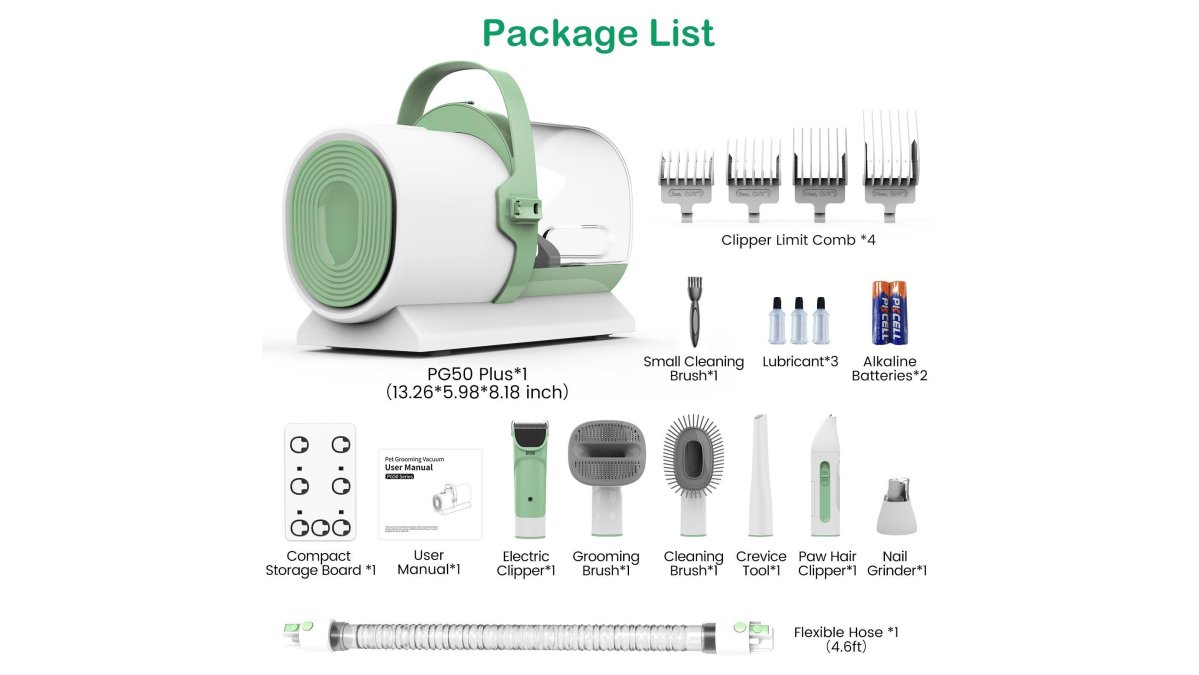
This kit bundles more tools than the basic model: a powerful vacuum for pet hair collection, a dog clipper for trimming, and various grooming brushes and tools suitable for both dogs and cats.
What works: The quiet operation is genuine, many pet owners report their dogs remain calm during grooming sessions. The multi-tool approach handles different coat types and grooming needs without switching between devices. The kit is comprehensive enough for at-home grooming maintenance, reducing trips to professional groomers.
What to consider: More tools mean more learning curve. The dog clipper requires proper technique to avoid nicking skin. If you've never clipped a dog's nails or trimmed coat hair, plan for a short training period or watch instructional videos before your first use.
Price: $419.95
Allerpet Dog Dander Remover 12 oz →
HEPA Filter Vacuum Benefits for Long-Term Allergy Relief
A HEPA filter vacuum provides cumulative allergy relief over time, not immediate results. The first week of use won't show dramatic changes, but consistent weekly vacuuming with a sealed HEPA system reduces allergen buildup in your home measurably within 2-3 weeks.
The benefit compounds because HEPA filtration prevents re-contamination. Standard vacuums release allergens back into the air during use, which means you're fighting a losing battle. A sealed HEPA system removes allergens and keeps them trapped in the bin until disposal.
For households with multiple pets or family members with severe allergies, pairing a HEPA vacuum with complementary products amplifies the effect. The Allerpet Dog Dander Remover works alongside vacuuming by reducing dander production at the source. Weekly application softens your pet's skin so less dander is produced, which means less for the vacuum to capture.
Long-term relief also depends on vacuuming frequency and technique. Vacuuming high-traffic areas and pet sleeping spots twice weekly captures more allergens than weekly full-home cleaning. Pet hair accumulates fastest in these zones, and concentrated dander deposits require more aggressive cleaning.
Vacuuming Frequency for Allergy Management
Vacuuming once weekly is the baseline for homes with one pet. Twice weekly is standard for multiple pets or family members with documented allergies. Daily vacuuming is excessive for most households but necessary if someone has severe, diagnosed pet allergies.
The timing matters. Vacuum in the morning before pets are active, or in the evening after they've settled. Avoid vacuuming while pets are running around, movement stirs up dander and defeats the purpose. If you have a cordless vacuum, shorter, more frequent sessions are often more practical than one long session weekly.
High-traffic zones need more attention than low-traffic areas. Pet sleeping spots, furniture where they rest, and hallways where they move accumulate hair and dander fastest. Spend 60% of your vacuuming time on these zones and 40% on the rest of the home.
Supporting Your Vacuum with Complementary Products
A vacuum is one tool in an allergy-management system. Pairing it with complementary products multiplies the effect.
The Allerpet Dog Dander Remover addresses the source: it helps remove dog dander and softens your pet's skin so less dander is produced. Applied weekly, it's designed to work alongside vacuuming.
The Davis De-Shed Pet Rinse loosens undercoat and breaks down mats during the bathing process, allowing shedding hair to slide off into the tub rather than onto your floors and furniture. Using this rinse before vacuuming reduces the amount of hair your vacuum needs to capture. Hair removed during bathing never becomes airborne dander.
For allergen neutralization in the air itself, the Loona Allergens Neutralizer captures airborne particles and brings them to the ground where they can be vacuumed. Spray it into the air before vacuuming high-allergen zones.
Grooming combs like the Stainless Steel Pet Comb or Dog and Cat Pet Grooming Comb remove loose hair directly from your pet's coat before it sheds naturally.
The Pet Fur Eliminating Roller handles pet hair that's already on furniture and bedding. It's reusable and requires no electricity, making it ideal for quick cleanups between vacuum sessions. Keep one in your bedroom and living room for spot cleaning.
Managing pet hair and allergies requires a layered approach.
Frequently Asked Questions
What features should I look for in a vacuum if I have pet allergies?
Prioritize sealed systems that trap allergens inside, HEPA filters that capture micro-particles and pet dander, and high suction power to remove debris from carpet fibers and hardwood floors. Anti-tangle brush-roll technology prevents hair from wrapping around the roller, which reduces maintenance and keeps the vacuum performing well. Bin capacity matters too, larger bins mean fewer trips to empty, reducing allergen exposure.
Are HEPA filters necessary for pet hair vacuums?
HEPA filters are highly beneficial for allergy sufferers. They capture 99.97% of particles as small as 0.3 microns, including dust mites and pet dander. A sealed system paired with HEPA filtration prevents allergens from being released back into the air during vacuuming, making a significant difference in air quality and reducing allergic reactions over time.
How often should I vacuum to manage pet dander and allergies?
For households with pets and allergy sufferers, vacuuming 2-3 times per week is recommended to control pet hair, dander, and dust mites. High-traffic areas may need more frequent attention. Regular vacuuming combined with weekly use of allergen-reducing products like Allerpet Dog Dander Remover helps dander levels drop significantly and maintains better air quality in your home.
What is the difference between cordless and corded pet hair vacuums?
Corded vacuums typically offer consistent, powerful suction and longer runtime, making them better for deep cleaning large areas and thick carpets where pet hair accumulates. Cordless models provide convenience and maneuverability for quick cleanups and stairs, but may have shorter battery runtime and slightly less suction power, which can be a trade-off for allergy sufferers who need sustained performance.