 how-to
How to Choose Non-Toxic Dog Toys for Puppies
Table of Contents
- Why Non-Toxic Dog Toys Matter for Puppies
- Safe Materials for Puppy Chew Toys
- Dangers of Phthalates in Pet Toys
- Identifying Harmful Chemicals and Reading Labels
- How to Clean Puppy Toys Safely
- Choosing Toys by Puppy Age and Chew Intensity
- Signs of a Damaged or Unsafe Toy
- Recommended Non-Toxic Puppy Toys
- Frequently Asked Questions
Last Updated: September 18, 2026
Why Non-Toxic Dog Toys Matter for Puppies
Puppies explore the world by chewing. Their developing teeth and curious mouths make toy safety a real concern, not an afterthought. A toy that seems harmless can leach chemicals into your puppy's system over weeks of constant gnawing. This is why choosing non-toxic dog toys for puppies isn't just a preference, it's essential health protection.
Standard plastic toys often contain phthalates, BPA, and other harmful additives that leach into your puppy's mouth and bloodstream. A puppy's developing immune system is vulnerable during this critical window, and chemical exposure can create long-term health problems.
Most toy shelves lack transparency about materials and safety. This guide shows you exactly how to choose non-toxic dog toys for puppies by explaining what to look for and avoid.
Safe Materials for Puppy Chew Toys
The right material is essential. Understanding natural rubber, food-grade options, organic cotton, and synthetic alternatives is the foundation of smart toy selection.
Natural Rubber and Food-Grade Options
Natural rubber is one of the safest materials for puppies because it's derived from rubber trees without toxic processing chemicals. Food-grade rubber is even better; it meets food-contact standards and is non-toxic if ingested.
Natural rubber toys are durable and flexible, resisting splintering and microplastic breakdown. Unlike synthetic plastics, natural rubber doesn't leach chemicals during normal use.
Look for toys labeled "food-grade" or "natural rubber." These certifications mean the material has been tested for safety and is safe if swallowed in small pieces.
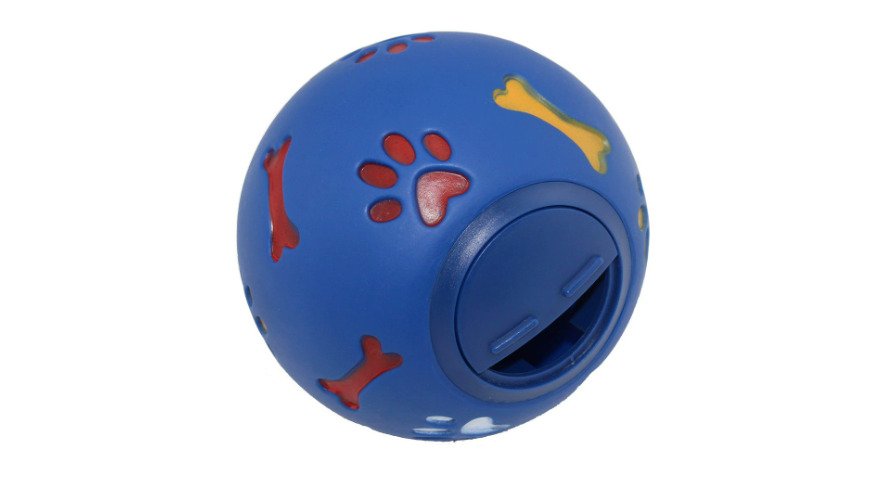
The Durable Chew & Treat Puzzle Ball for Dogs from Bentley's Bark uses durable rubber construction to withstand aggressive chewing while providing mental challenge. The treat-dispensing design keeps puppies engaged, and it's dishwasher-safe.
Organic Cotton and Hemp Fibers
Organic cotton is soft on developing teeth and completely safe if ingested, making it ideal for teething puppies seeking gentle chewing relief.
Hemp fibers offer similar benefits with added durability and natural antimicrobial properties. Cotton-rope combinations provide both softness and durability.
Cotton and hemp toys work best for puppies under four months or those with sensitive gums, though they're not suitable for aggressive chewers.
TPR Material and Durable Alternatives
TPR (thermoplastic rubber) is a synthetic material engineered to be non-toxic and durable. It's softer than hard plastic but more resilient than natural rubber, and designed specifically for pet use with safety testing.
TPR is formulated without phthalates or BPA and is less likely to splinter or break into harmful pieces.
The Molar Stick Dog Toothbrush and Chew Toy uses high-quality TPR material to clean teeth while puppies play. The Dog Dental Stick - TPR Molar Chew Toy for Puppies offers the same durability in a lightweight format for small puppies.
Dangers of Phthalates in Pet Toys
Phthalates are chemicals used to make plastic flexible and soft. Found in many cheap pet toys, they leach into puppies' mouths when chewed and can be swallowed.
Phthalates disrupt hormonal development and accumulate in the body over time. Daily exposure compounds across multiple toys, creating a significant chemical load.
Phthalates aren't always listed on packaging because manufacturers consider them "trade secrets," making it impossible to identify them by label alone.
Puppies are especially vulnerable because their organs are still developing. Phthalate exposure can affect liver function, kidney development, and reproductive system formation, with damage appearing as health problems years later.
Avoid any toy that:
- Smells like strong plastic or chemicals
- Feels slick or greasy to the touch
- Doesn't clearly state it's phthalate-free
- Comes from unknown manufacturers with no safety certifications
- Has a strong vinyl or chemical odor
Identifying Harmful Chemicals and Reading Labels
Many manufacturers use vague language or skip important details. Learning to read labels properly helps you identify genuinely safe toys versus those hiding chemical risks.
What to Look For on Packaging
Clear material descriptions are your first clue. Good labels state exactly what the toy is made from: "natural rubber," "organic cotton," "TPR," or "food-grade materials." Vague labels saying just "plastic" or "rubber" are red flags.
Certification marks matter significantly. Look for third-party testing symbols or verified phthalate-free or BPA-free claims.
Manufacturing country provides context. Toys from countries with strict pet product regulations generally meet higher safety standards.
Contact information shows whether the manufacturer stands behind their product. If you can't find contact details, that's a warning sign.
Look for statements like "non-toxic materials," "tested for safety," "free from phthalates and BPA," or "meets pet safety standards."
BPA-Free and PVC-Free Certifications
BPA (Bisphenol A) is an industrial chemical that acts like a hormone in the body. BPA-free toys eliminate this chemical, but a toy can be BPA-free and still contain other harmful chemicals.
PVC (polyvinyl chloride) is a plastic that requires phthalates to become flexible. PVC-free toys automatically avoid phthalate exposure, which is especially important for soft, flexible toys puppies chew frequently.
The best toys carry both certifications: BPA-free AND PVC-free. This means they've eliminated two major chemical categories known to harm developing puppies.
Look for certifications from independent testing organizations, not just manufacturer claims. A toy that says "BPA-free" on the label might still contain other harmful plastics. Independent certification means a third party verified the claim.
How to Clean Puppy Toys Safely
Clean toys regularly to prevent bacterial buildup, but use safe methods; harsh chemicals defeat the purpose of choosing non-toxic toys.
Warm soapy water is your safest option. Use mild dish soap and warm water, scrubbing thoroughly and rinsing completely.
Dishwasher-safe toys simplify cleanup. The Durable Chew & Treat Puzzle Ball from Bentley's Bark is dishwasher safe; place it on the top rack away from heat sources.
Avoid these cleaning methods:
- Bleach or strong disinfectants (they leave chemical residue)
- Boiling water (can damage some materials)
- Vinegar solutions (can degrade certain toy materials)
- Chemical pet disinfectants
Let toys air dry completely before returning them to your puppy. Store in a dry location away from direct sunlight, which degrades materials.
Clean toys weekly, or more often if your puppy plays with them constantly. Visible dirt or damage means it's time to replace the toy entirely.
Choosing Toys by Puppy Age and Chew Intensity
Understanding how to choose non-toxic dog toys for puppies means considering age and chewing strength to determine which toys work best. A toy that's perfect for an eight-week-old puppy might be destroyed in minutes by a twelve-week-old. Understanding your puppy's stage helps you select toys that will actually last.
Teething Puppies and Soft Toy Options
Teething puppies (typically eight to sixteen weeks) need soft toys that soothe sore gums without being too hard. Their baby teeth are still erupting, and their jaw strength is developing. Hard toys can cause pain or damage emerging teeth.
Soft plush toys and cotton rope toys work well during this stage.
Interactive vs. Solo Play Toys
Interactive toys require your participation: tug ropes, fetch toys, and toys you throw or roll. These build your relationship with your puppy and provide supervised play time where you can monitor safety.
Signs of a Damaged or Unsafe Toy
Even the best toys eventually wear out. Knowing when to replace a toy prevents your puppy from ingesting harmful pieces or choking on damaged parts.
Visible damage is the most obvious sign. If you see:
- Cracks or splits in the material
- Pieces missing or torn away
- Stuffing coming out (for plush toys)
- Fraying edges or loose threads
- Discoloration from mold or mildew
...it's time to replace the toy immediately.
Recommended Non-Toxic Puppy Toys
Bentley's Bark curates toys specifically for puppy safety and development.
Frequently Asked Questions
What are the safest non-toxic dog toys for puppies?
The safest non-toxic dog toys for puppies are made from natural rubber, food-grade materials, organic cotton, and hemp fibers. Look for toys labeled BPA-free and PVC-free, and avoid plastic toys containing phthalates. TPR (thermoplastic rubber) toys are also durable and safe when sourced from reputable manufacturers. Always check product labels for certifications and material transparency before purchasing.
What materials should I avoid in puppy toys?
Avoid toys made from PVC plastic, which often contains phthalates, chemicals that can leach into your puppy's mouth during chewing. Steer clear of toys with toxic additives, synthetic dyes, or unknown plastic compositions. Also avoid toys with small detachable parts that pose choking hazards, toys with chemical odors, and products without clear labeling of materials. When in doubt, choose toys from brands that provide transparent ingredient lists.
Are natural rubber dog toys safer than plastic alternatives?
Natural rubber toys are generally safer than conventional plastic toys because they don't contain phthalates or BPA, and they resist micro-plastics shedding during chewing. Natural rubber is non-porous, making it easier to clean and less likely to harbor bacteria. However, not all rubber toys are equal; ensure they're made from food-grade or veterinary-approved natural rubber. Some high-quality TPR plastics can be equally safe if they're explicitly phthalate-free and sourced from reputable manufacturers.
How can I tell if a dog toy is BPA and phthalate-free?
Check the product packaging for explicit labels stating 'BPA-free' and 'phthalate-free.' Look for certifications from recognized safety standards or veterinary-approved markings. Reputable brands provide detailed ingredient lists and sourcing information. Avoid toys with generic 'plastic' labels without specification, and purchase from retailers that vet their products for safety, such as curated pet supply stores that prioritize material transparency.
Choosing non-toxic toys protects your puppy during their most vulnerable developmental stage. The materials matter, the certifications matter, and the transparency matters. Bentley's Bark makes this easier by curating only toys that meet rigorous safety standards, so you can focus on watching your puppy play and grow rather than worrying about hidden chemicals. Start with one of our recommended toys and watch how much difference genuine safety makes.