 blog
blog
Waterproof Dog Raincoats for Small Breeds: 2026 Guide
Table of Contents
- Small Breeds Need Real Rain Protection
- What to Look For in a Small Dog Raincoat
- How to Measure a Dog for a Raincoat That Fits
- Reflective Dog Raincoats for Safety on Gray Days
- Breed-Specific Fit Challenges for Small Dogs
- A Raincoat Built for Small Breed Needs
- Layering and Training for Rainy Seasons
- Conclusion
- Frequently Asked Questions
Last Updated: September 7, 2026
Small Breeds Need Real Rain Protection
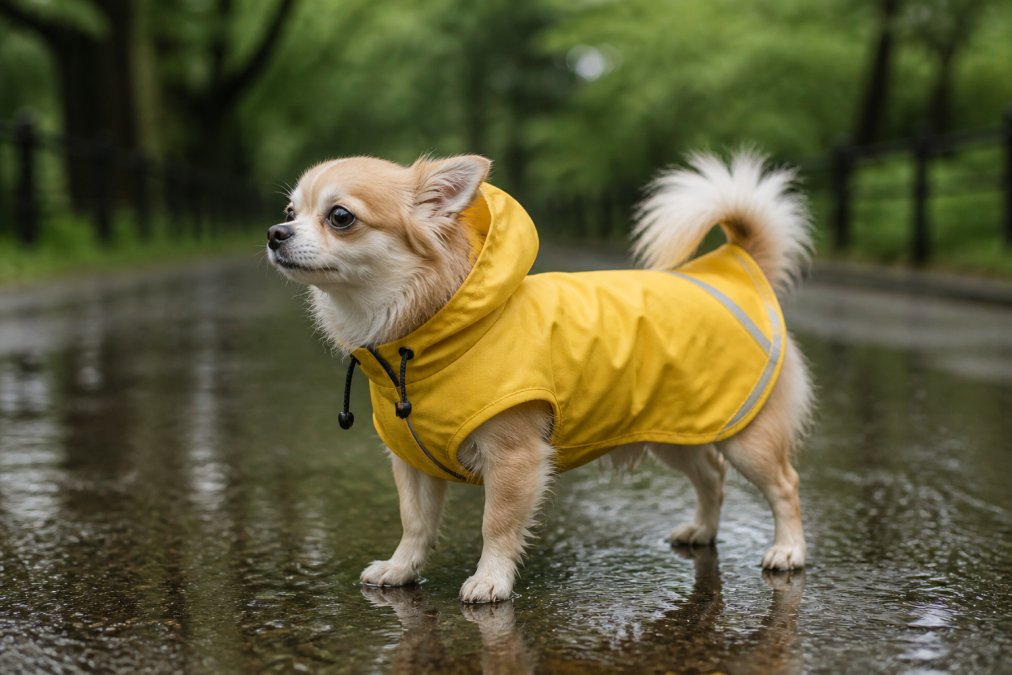
Shielding a small dog from a downpour takes more than a novelty hoodie, and finding truly waterproof dog raincoats for small breeds is the difference between a dry, happy walk and a shivering, soggy mess. Small dogs sit closer to the ground, where rain splashes up from puddles and wet pavement, meaning their bellies and chests take the brunt of the weather. Most pet apparel on the market is only water-resistant, not genuinely waterproof. A true raincoat keeps your dog dry from the first drop to the final shake-off, which matters more for a 5-pound Yorkie than for a Labrador that generates its own body heat. The best dog raincoats combine a sealed outer shell, full belly coverage, and secure closures that do not gap open mid-stride.
Below, we will walk through the materials, measurements, and fit details that separate a practical raincoat from a waste of money. We will also cover breed-specific challenges, layering strategies, and how to help a reluctant pup accept their new gear.
What to Look For in a Small Dog Raincoat
A quality small dog raincoat is defined by three non-negotiable features: a waterproof shell, full coverage, and closures that stay put. Waterproof dog raincoats for small breeds should use a coated nylon or polyester outer layer with taped seams, because stitched seams without sealing are the first place water leaks through. Look for a hood that actually stays on, a high neck collar, and a cut that covers the belly without interfering with leg movement.
Waterproofing vs. Water-Resistant Fabrics
Waterproof fabric blocks water entirely, while water-resistant material only repels light moisture for a short period. A water-resistant jacket might handle a light drizzle, but it will soak through during a steady rain or a romp through wet grass. For real protection, choose a waterproof shell with a polyurethane coating or a laminated membrane, which keeps rain out while allowing sweat and body heat to escape through breathable panels. Quick-dry synthetic fabrics like nylon and polyester are the standard choice because they dry fast and hold up to repeated wear.
The PFAS Question: What Your Dog's Coat Is Made Of Matters
Most conventional waterproof coatings rely on per- and polyfluoroalkyl substances (PFAS), a class of chemicals used to repel water and stains. While effective, PFAS are persistent in the environment and have been detected in waterways and wildlife across Canada. Health Canada has been evaluating the risks of PFAS, and the federal government has moved to restrict certain types in firefighting foam, signaling a broader regulatory shift (canada.ca). For pet owners who are conscious of their environmental paw print, this matters: every wash of a PFAS-treated coat can release micro amounts of these chemicals into wastewater.
The good news is that a growing number of pet apparel brands now offer PFAS-free alternatives. These coats use one of two mechanisms: a dense woven fabric with a durable water repellent (DWR) finish made from silicone or wax, or a polyurethane (PU) laminate that physically blocks water without chemical treatments. PU-laminated shells are the more reliable choice for steady rain, as they do not rely on a surface treatment that wears off over time. Silicone-based DWR finishes are better for light rain and require periodic reapplication with a spray-on product to maintain performance.
When comparing coats, check the product description for terms like "PFAS-free," "PFC-free," or "eco-friendly waterproofing." If the material composition is not listed, contact the manufacturer directly. A coat that uses a PU laminate or a waxed cotton shell will keep your dog dry without the environmental baggage of traditional fluorochemical treatments.
Coverage, Closures, and Comfort Details
The best raincoats extend past the saddle area to cover the lower belly, since that is where mud and moisture collect when a small dog trots through puddles. Adjustable straps at the chest and neck prevent the coat from shifting, while a zipper closure covered by a flap, or a double velcro system, keeps water from seeping in at the spine. Snap buttons are easier for quick on-and-off but can pop open during active play. Ensure the coat has a tail opening and enough room at the shoulders so your dog can run, squat, and explore without restriction.
How to Measure a Dog for a Raincoat That Fits
Measuring your dog correctly is the single most important step in buying a raincoat, and it requires three numbers: back length, chest girth, and neck circumference. Back length runs from the base of the neck to the base of the tail, and it is the primary sizing dimension for most brands. Chest girth is measured around the widest part of the ribcage, usually right behind the front legs, and this number determines whether the coat will close comfortably. Neck circumference is measured at the base of the neck where the collar sits, ensuring the hood and collar do not choke or slide off.
Use a soft measuring tape and keep it snug but not tight, allowing room for a light sweater underneath if you plan to layer for cold weather. A common mistake is ordering based on weight alone, which fails for small breeds with very different body shapes, such as a barrel-chested French Bulldog versus a slim Italian Greyhound. If your dog falls between sizes, size up and rely on adjustable straps to fine-tune the fit, because a coat that is too tight restricts movement and a coat that is too loose lets rain and wind inside.
Reflective Dog Raincoats for Safety on Gray Days
Reflective dog raincoats for safety are not an optional upgrade for small breeds; they are essential for walks during low-light hours. Small dogs are harder for drivers to spot than larger breeds, especially against wet, dark pavement, and a coat with high-visibility piping or reflective strips dramatically improves your dog's visibility to oncoming traffic. Look for reflective piping along the back, sides, and chest, since these are the angles a driver sees first when a dog crosses a road or walks along a shoulder.
Guidance on pedestrian and pet visibility from road safety resources recommends that walkers use reflective gear in dim conditions, and the same logic applies to your dog. A bright color like yellow, orange, or lime green helps during the day, while reflective tape or piping does the work after sunset. Many raincoats also include a leash access point on the back, which keeps the coat from riding up and keeps the reflective panels visible while you walk.
Breed-Specific Fit Challenges for Small Dogs
Small breeds are not a single shape, and a raincoat that fits a stocky Pug will swim on a slender Whippet. Breed-specific fit challenges come down to chest depth, neck length, and leg set, which vary widely across the small dog category. For example, Dachshunds have long backs and short legs, so they need a coat with extra length and a cut that does not drag on the ground. Bulldogs and Boston Terriers have broad chests and short necks, requiring a wider girth measurement and a hood that does not bunch up behind the ears.
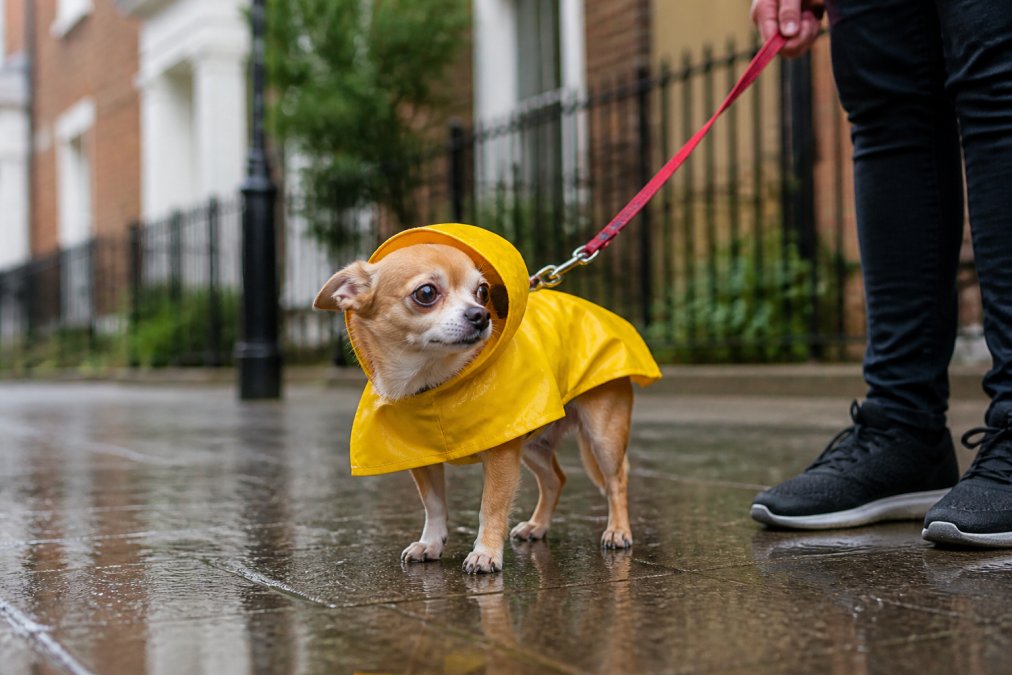
Chihuahuas and Yorkies often run lean and need a snugger fit with adjustable leg straps to prevent the coat from flapping. A coat with a belly strap or leg loops helps keep the fabric close to the body without restricting movement. When in doubt, measure your dog and compare those numbers against the brand's sizing chart, since small breed sizing is not standardized across manufacturers.
A Raincoat Built for Small Breed Needs
For a coat that checks every box, the Waterproof Outdoor Pet Raincoat and Insulated Jacket from Bentley's Bark is our top pick for small breeds. Priced at $39.95, this coat combines a thick, durable waterproof shell with a cold-resistant insulated lining, making it suitable for rainy fall days and snowy winter walks alike. The jacket is cut to provide full coverage while leaving room for natural movement, and the hood and high collar keep rain off the head and neck where small dogs feel the cold most.
What sets this coat apart is the insulation layer, which adds warmth without the bulk that restricts a small dog's stride. It is available in several vibrant colors, so you can choose a high-visibility shade for safety on gray days. Like every item in our store, this raincoat is Bentley Approved, meaning it is a hand-picked item.
Layering and Training for Rainy Seasons
Rainy season does not end when the temperature drops, and a waterproof shell works even better when paired with a lightweight insulating layer underneath. For cold rain or early snow, add a thin fleece or sweater beneath the raincoat to trap body heat, then remove the layer indoors to prevent overheating. The raincoat should be sized to accommodate that extra layer without becoming tight across the chest.
Layering for Cold-Rain Transition: A Temperature Guide
Small breeds lose body heat faster than larger dogs due to their higher surface-area-to-volume ratio, and a wet coat accelerates that heat loss dramatically (PubMed). When the mercury hovers between 5°C and 10°C with rain, a single waterproof shell over a thin cotton or wool-blend sweater is usually sufficient. Below 5°C, add a mid-layer such as a microfleece or a lightweight puffer vest under the raincoat, and consider booties to keep paws dry and warm. Above 15°C, skip the insulating layer entirely, a waterproof shell alone will prevent your dog from getting chilled by rain while allowing excess heat to escape through breathable panels.
A common mistake is choosing a raincoat that fits perfectly over a bare coat but becomes too tight over a sweater. When you measure your dog for a raincoat, do it while they are wearing their typical cold-weather layer. Add two finger-widths of slack at the chest to ensure the outer shell does not compress the insulation, which would defeat its purpose. If your dog shivers even with layers, the issue may be a coat that is too short to cover the kidneys, extend coverage to the base of the tail for better warmth retention.
Training a Reluctant Small Dog to Wear a Raincoat
Many small dogs resist wearing any clothing at first, and the fix is patient, positive training rather than force. The resistance is often sensory, the crinkle of fabric, the restriction around the legs, or the unfamiliar weight on the back. A structured desensitization protocol works better than simply putting the coat on and hoping for the best.
Start indoors in a quiet room with no distractions. Lay the raincoat flat on the floor and let your dog sniff it. Reward any calm interaction with a high-value treat. Next, drape the coat loosely over your dog's back without fastening any straps, and immediately offer a treat. Repeat this step for three to five sessions until your dog shows no signs of tension, look for relaxed ears, a soft mouth, and a wagging tail.
Once your dog is comfortable with the draped coat, fasten the chest strap only, then the belly strap, one at a time, rewarding after each closure. Keep the first few sessions short, under two minutes, and end on a positive note by removing the coat and offering a treat. Gradually increase wear time during indoor activities your dog enjoys, such as mealtimes or a game of tug. Only after your dog is moving freely indoors should you attempt a short walk outside.
Conclusion
Choosing the right rain gear for a small dog comes down to honest materials, correct measurement, and a fit that respects your dog's unique shape. A coat that is truly waterproof, reflective, and cut for your breed will turn a miserable wet walk into an adventure your pup actually enjoys.
At Bentley's Bark, we curate pet apparel that solves real problems with clean design and honest materials, and every order ships with complimentary delivery to your door. Get started with a Bentley Approved raincoat and keep your small breed dry, warm, and visible all season long.
Frequently Asked Questions
Should small dogs wear raincoats?
Yes, especially small breeds with short legs and low body mass. They lose heat faster and their bellies are close to wet pavement, so they get cold and soaked quickly. A waterproof coat keeps their core dry and helps maintain body temperature. This makes walks more comfortable and reduces the chance of your dog shivering or wanting to turn back home.
How do I measure my small dog for a raincoat?
Measure the back length from the base of the neck to the base of the tail, the chest girth at the widest point behind the front legs, and the neck circumference. Use a soft measuring tape and keep it snug but not tight. Compare your dog's measurements to the brand's size chart, since sizing varies. When in doubt, size up for better coverage and mobility.
What features should I look for in a dog raincoat?
Focus on a waterproof outer shell with taped or sealed seams, not just a water-resistant one. Look for good belly coverage, adjustable straps or velcro closures, and a leash opening or harness compatibility. For small breeds, check that the coat doesn't restrict leg movement. Reflective piping or high-visibility colors are also useful for low-light walks.
Are waterproof raincoats necessary for small breeds?
They are worth it if you walk your dog in wet weather regularly. Small breeds have less body mass and shorter coats, so they get cold faster when wet. A waterproof raincoat keeps them dry and comfortable, which means they stay willing to exercise and do their business. For occasional light sprinkles, a water-resistant option might be enough.