 ultimate-guide
What Are the Benefits of Elevated Dog Bowls?
Table of Contents
- Why Your Dog's Feeding Position Matters
- Key Benefits of Elevated Dog Bowls for Posture and Comfort
- Elevated Dog Bowls and Digestion: Preventing Bloat in Dogs
- Hygiene and Cleanliness: How Raised Bowls Keep Your Home Tidy
- Dog Bowl Height Guide: Finding the Right Fit for Your Dog
- Best Elevated Dog Bowls for Large Breeds and Puppies
- Pros, Cons, and DIY vs. Commercial Options
- Conclusion
- Frequently Asked Questions
Last Updated: September 16, 2026
Why Your Dog's Feeding Position Matters
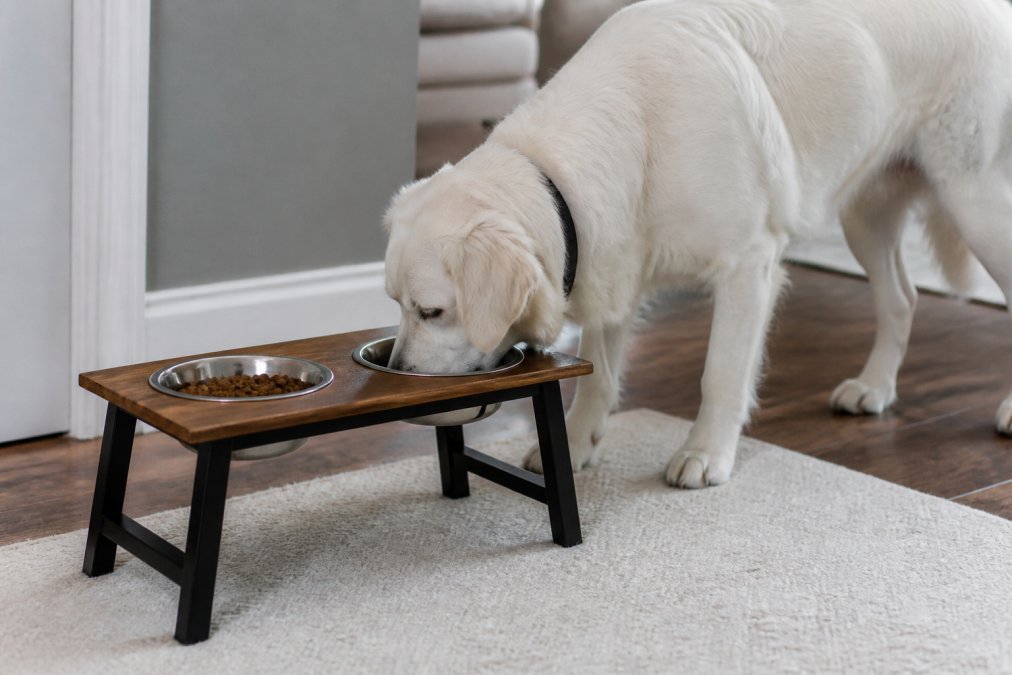
What are the benefits of elevated dog bowls? The main ones are reduced strain on the neck and shoulders, easier swallowing mechanics for dogs with orthopedic issues, a tidier feeding area, and better comfort for senior dogs. At Bentley's Bark, we hear from pet parents every week who watch their dog crouch awkwardly over a floor-level bowl and wonder if there's a better way.
Feeding position is one of the most overlooked details in canine nutrition. Most owners spend hours researching kibble and supplements, then set the bowl on the floor and never think about it again. A dog's natural eating posture, head lowered to the ground with the neck extended and front legs splayed, puts sustained pressure on the cervical spine and the joints of the forelimbs. For a young, healthy dog, that's manageable. For an aging or arthritic dog, it can turn every meal into discomfort.
That's the throughline here: feeding position is an ergonomics question, and ergonomics matter differently depending on the dog. Below, we break down the real benefits, the genuine controversy around bloat, and how to pick the right height.
Key Benefits of Elevated Dog Bowls for Posture and Comfort
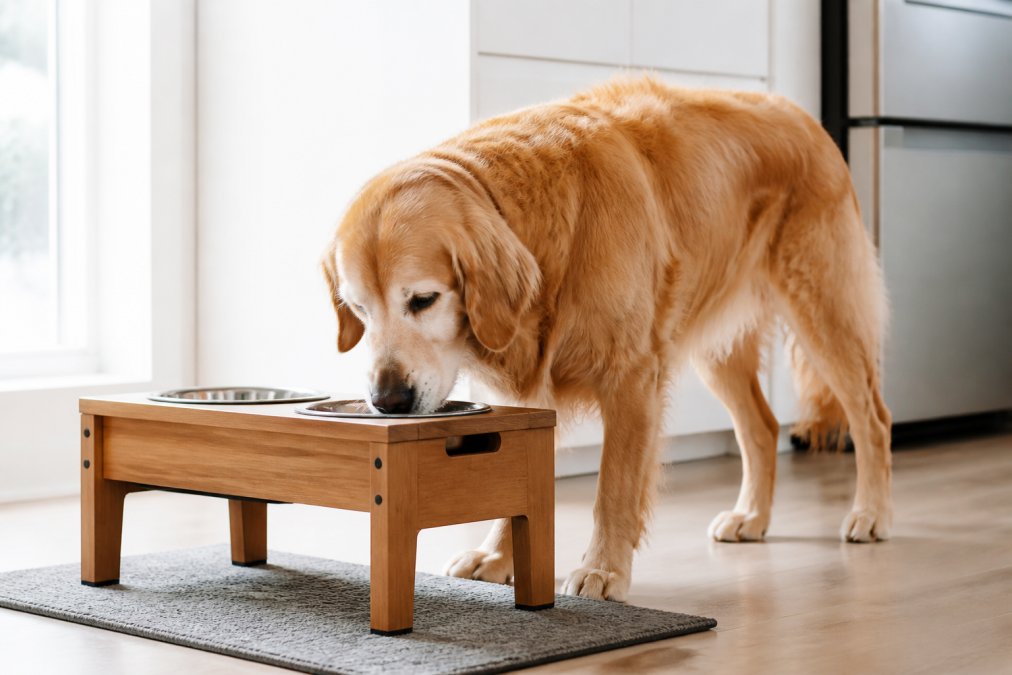
The clearest benefit of a raised bowl is a more neutral neck angle during meals.
Reduced Neck and Shoulder Strain
Dogs with cervical strain or musculoskeletal conditions feel the difference quickly.
Better Comfort for Senior Dogs and Arthritic Joints
Arthritis and degenerative joint disease change how a dog moves through the whole day, and mealtime is no exception.
Elevated Dog Bowls and Digestion: Preventing Bloat in Dogs
Here's where the conversation gets complicated.
What Veterinary Consensus Says vs. Anecdotal Evidence
This is the part most guides get wrong.
Hygiene and Cleanliness: How Raised Bowls Keep Your Home Tidy
A raised bowl does more for your kitchen floor than you'd expect.
The Mechanism Behind Less Mess
- Reduced splash radius. A bowl sitting at chest height is closer to the dog's muzzle, so water and saliva fall back into the bowl instead of arcing onto the floor. The higher the bowl, the shorter the drop, and the smaller the puddle.
- Contained spillage. A raised stand with a lip or recessed bowl holder traps kibble that bounces out of the bowl. On the floor, that kibble rolls under appliances and gets crushed into the floor finish.
- Stability under load. A wide, weighted base resists the forward push of a dog leaning into the bowl. A floor-level bowl has nothing anchoring it, which is why so many dogs push their bowl into a corner by the end of a meal.
Materials and Cleaning That Actually Hold Up
What to look for:
Floating Wooden Raised Food Stand →
- Stainless steel bowls that are top-rack dishwasher safe. Stainless resists scratching, doesn't hold odors, and can be sanitized with hot water. Avoid plastic bowls with deep scratches, which harbor bacteria in the grooves.
- A sealed, wipe-clean stand surface. A lacquered or oiled hardwood, powder-coated metal, or food-safe sealed MDF wipes down in seconds. Raw, unfinished wood absorbs spills and swells over time.
- Removable bowls. A stand where the bowls lift out lets you wash the bowl without hauling the whole platform to the sink, and lets you wipe the recess where crumbs collect.
- A silicone or rubber mat underneath. A mat catches the drips that miss the bowl and keeps the stand from creeping across tile or hardwood.
A Simple Cleaning Routine
- Daily: rinse bowls with hot water and a mild dish soap, or run them through the dishwasher.
- Every few days: wipe the stand surface and the bowl recess with a pet-safe cleaner. Pay attention to the rim and any seams.
- Weekly: lift the stand and clean underneath. This is where crumbs and moisture collect, and where a non-slip pad can trap grime.
- Monthly: check wooden stands for cracks, swelling, or lifted finish. A compromised finish means the wood is absorbing moisture and needs resealing or replacing.
The result is less scrubbing and a feeding station that doesn't look like a crime scene twice a day, but the real payoff is a surface that doesn't harbor the bacteria that cause GI upset in the first place.
Dog Bowl Height Guide: Finding the Right Fit for Your Dog
A quick dog bowl height guide by size:
- Small breeds (under 10 kg): low elevation, often just a few centimetres
- Medium breeds (10-25 kg): bowl near lower-chest height
- Large breeds (25-40 kg): bowl at chest height, often 20-30 cm off the floor
- Giant breeds (40 kg+): taller stands, sometimes 35-45 cm, adjusted to the individual dog
Best Elevated Dog Bowls for Large Breeds and Puppies
For large breeds, stability matters most.
Impact on Puppy Development: What to Know Before You Buy
Puppies are still growing, and their joints and posture are developing.
Pros, Cons, and DIY vs. Commercial Options
Elevated feeding isn't automatically right for every dog, and honest advice means naming the trade-offs.
| Option | Best For | Watch Out For |
|---|---|---|
| Commercial raised stand | Stability, style, easy cleaning | Higher upfront cost |
| Inclined bowl | Short-muzzled dogs, swallowing issues | Not a height solution on its own |
| DIY platform | Budget setups, custom heights | Can wobble; harder to clean |
| No elevation | Young, healthy dogs with no issues | Neck strain, more mess |
When to Avoid Elevated Bowls
- Very young puppies of large or giant breeds. A bowl that's too high for a growing puppy can encourage an unnatural stance and put load through developing joints. Start low and raise the bowl as the puppy grows.
- Dogs with a history of GDV or a first-degree relative with GDV. The evidence on elevated feeding and bloat risk is mixed, and some studies have pointed toward increased risk in high-risk breeds. If your dog falls into this category, talk to your veterinarian before switching.
- Dogs who eat too fast. Raising a bowl can make some dogs gulp more air, which is the opposite of what you want for a dog prone to aerophagia. A slow-feeder bowl at floor level may be the better tool.
- Dogs with certain neurological or balance conditions. A dog who is unsteady on their feet may do better with a bowl they can reach without shifting weight to a raised platform.
DIY vs. Commercial: What Actually Matters
- Stability. A stand that shifts or tips is worse than no stand at all. A DIY platform needs a base at least as wide as the bowl opening, a low center of gravity, and non-slip feet. If you can push it across the floor with one finger, it's too light.
- Hygiene. Raw plywood, unfinished MDF, and open seams trap food residue and moisture. Seal any DIY stand with a food-safe finish and avoid designs with deep crevices around the bowl opening.
- Bowl security. A bowl that lifts out of the stand when the dog eats is a hazard. Recess the bowl opening so the rim sits flush, or use a bowl with a silicone ring that grips the opening.
- Height adjustment. A DIY stand is only useful for as long as it fits the dog. Build or buy for the dog's current height, and plan to adjust as they grow or age.
Conclusion
Every dog ages, and the feeding position that worked at two years old may not work at ten.
Frequently Asked Questions
How do I know if my dog needs an elevated bowl?
Watch your dog at mealtime. If they crouch low, gulp air, or show stiffness getting up afterward, a raised bowl may help. Senior dogs with arthritis, large breeds, and dogs with neck or joint issues often benefit most. A simple test is to measure your dog's shoulder height and set the bowl so the top sits roughly at that level. If your dog still strains or spills, adjust up or down until eating looks relaxed.
Do raised dog bowls help with digestion or bloat?
The evidence on preventing bloat in dogs is mixed. Some clinical studies have linked raised feeding to a higher risk of gastric dilatation-volvulus in certain large breeds, while other research shows no clear connection. Veterinary consensus is that no bowl height alone prevents bloat. If your dog is a high-risk breed, speak with your vet before switching. Slow feeders, smaller meals, and avoiding exercise right after eating may matter more than bowl height.
Are elevated bowls recommended for senior dogs with arthritis?
Yes, many veterinarians recommend elevated bowls for senior dogs with arthritis or degenerative joint disease. Reaching down to floor level puts strain on the neck, shoulders, and spine. A raised stand reduces that reach and can make mealtime more comfortable. Look for a stable, non-slip base and a height that lets your dog eat without lowering their head below shoulder level. Adjustable stands work well as mobility changes over time.
What are the healthiest materials for elevated dog bowls?
Stainless steel is the top choice for hygiene because it resists bacteria, does not hold odors, and is easy to sanitize. Ceramic is a good alternative if it is lead-free and chip-resistant. Avoid plastic bowls that are scratched or worn, since cracks can harbor bacteria and cause skin irritation. Whatever material you choose, wash bowls daily with hot water and mild soap, and check the stand for stability and a non-slip base.